 3D character
Guide · 6 min read
VRChat avatar performance ranks, explained
What the ranks measure, the numbers behind a Good avatar on PC and Quest, and how the new native face tracking fits into the budget.
What performance ranks are
VRChat rates every avatar from Excellent to Very Poor based on what it costs to render: triangles, material slots, physics components, texture memory and more. The rank decides who sees the avatar as built, so it matters as much as how the avatar looks.
The numbers behind Good
VRChat’s documented limits for a Good rank on PC:
| Stat | Good (PC) |
|---|---|
| Triangles | 70,000 |
| Material slots | 8 |
| PhysBones components | 8 |
| Texture memory | 75 MB |
And for Android-based platforms such as Quest:
| Stat | Good (Quest) | Poor (Quest) |
|---|---|---|
| Triangles | 10,000 | 20,000 |
| Material slots | 1 | 4 |
| PhysBones components | 4 | 8 |
| Texture memory | 18 MB | 40 MB |
From VRChat’s avatar performance ranking documentation. Check the current table before a build, as limits are revised over time.
Why Quest builds need Medium or better
On Quest, avatars ranked Poor or Very Poor are hidden by default; viewers see a fallback instead. A Quest build that lands at Medium or better is what people actually see. That usually means a separate, lighter build: one material slot, mobile shaders, fewer physics components and a much lower triangle count.
Native face tracking
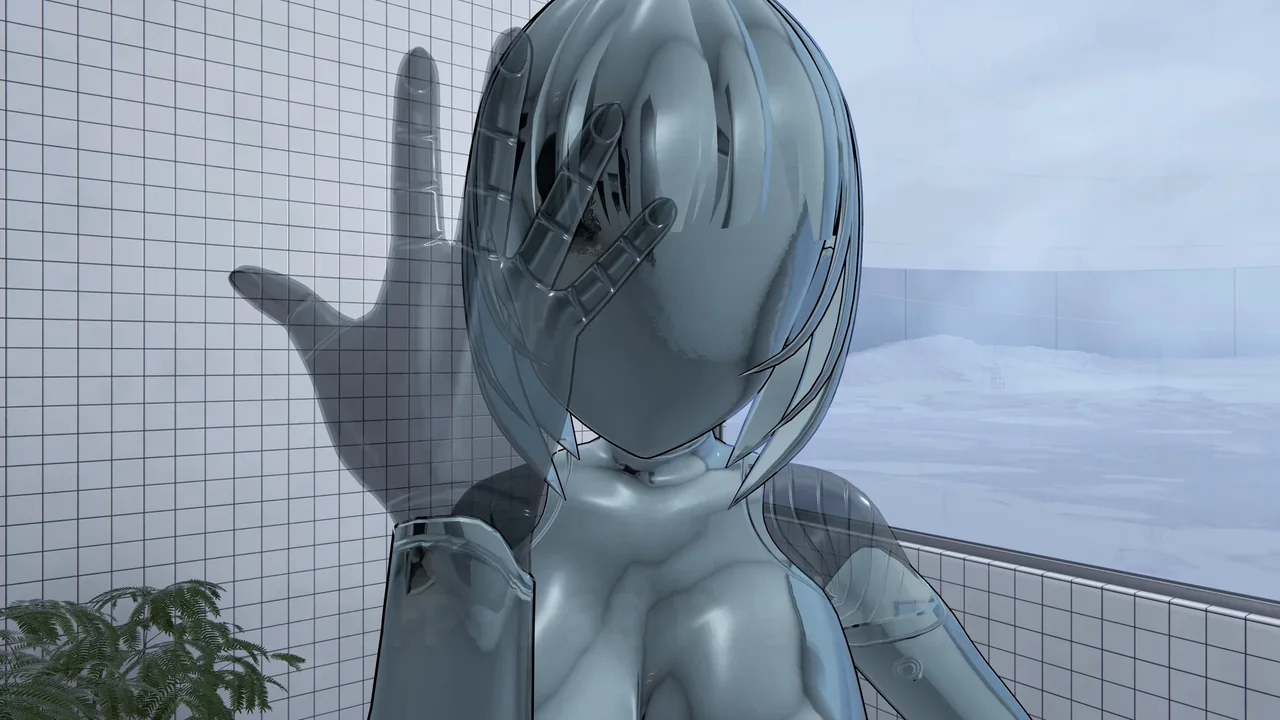
Recent VRChat SDK versions (3.10.6 and later) support face tracking natively. It is configured in the avatar descriptor using Unified Expressions, and an avatar that maps all tracking keys shows a full face-tracking icon on its page. Face-tracking operations count toward the performance rank, so the facial system has to be planned inside the same budget as the rest of the avatar.
A face built for expression first (clear eye and mouth shapes, visemes, a full shape set) translates well to tracking. LueLue’s 99 shape keys, including the 52 ARKit shapes, are an example of that approach.
What to ask for in a commission
- The target rank for each platform (for example: Good on PC, Medium or better on Quest).
- Separate PC and Quest builds, and what changes between them.
- The facial system: shape set, visemes, and whether face tracking is mapped.
- Toggles and menus, and how they affect the rank.
- The files you receive: Unity package, source files, documentation.
Planning an avatar with these targets? See how Rellward builds custom VRChat avatars or share your brief.
Sources: VRChat performance ranking system, VRChat face tracking, VRChat Quest content limitations.
