 3D character
Guide · 6 min read
3D character art styles for games
Choose a visual direction your team can review and carry into modeling, texturing and real-time delivery.
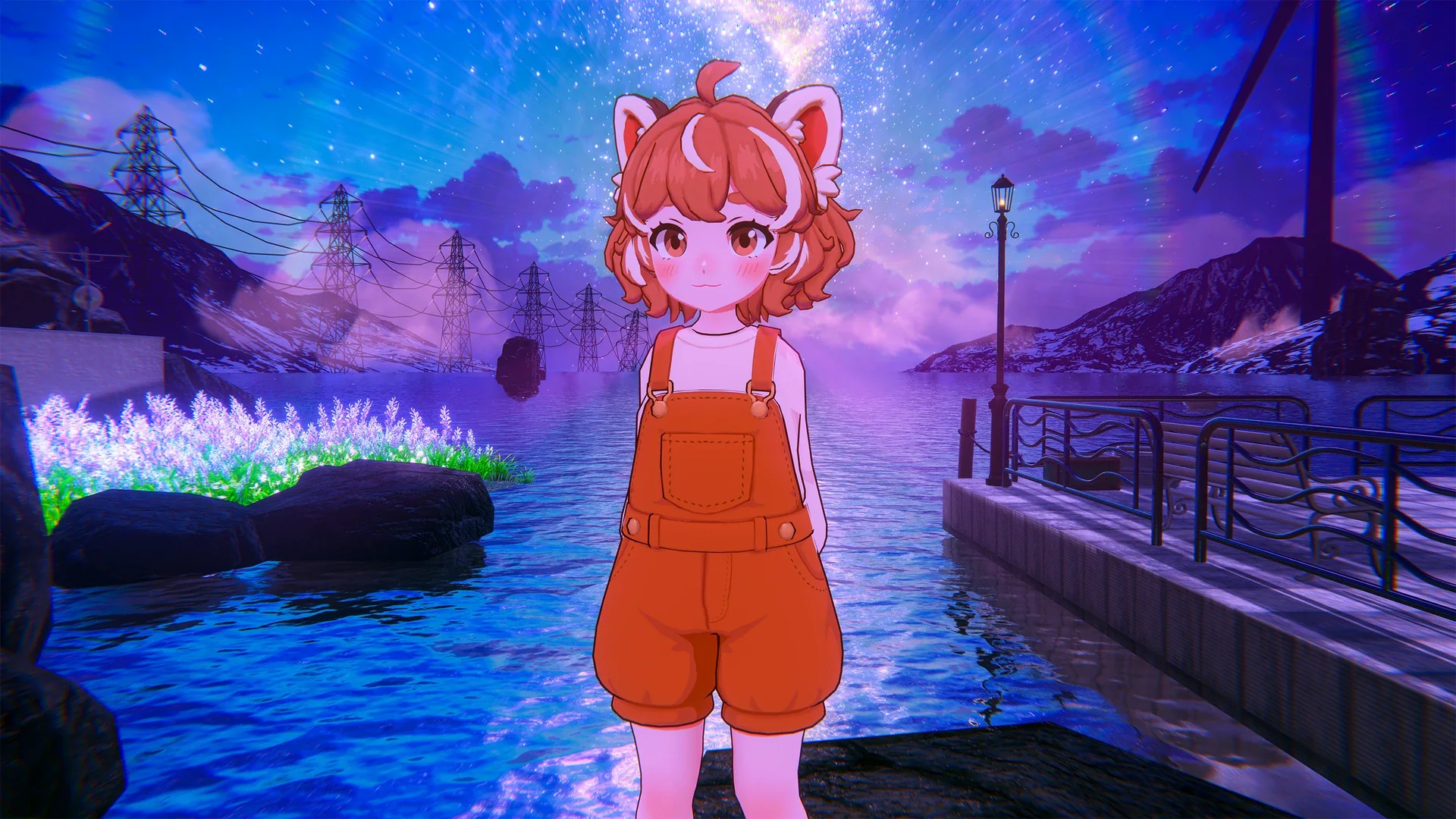
Start from visible decisions
A style brief works best when it names decisions people can see: references for silhouette, facial proportions, materials and lighting. Check them through the in-game camera, because that is what the player will actually see. One character can borrow from more than one style, as long as the team agrees on the features to protect.
Stylized characters
Start with the forms that convey personality at a glance. Deliberate proportions, readable clothing shapes and a clear value hierarchy carry the design at gameplay distance. Keep texture detail where it adds information, and compare the untextured model with the finished pass to see what the silhouette says on its own.
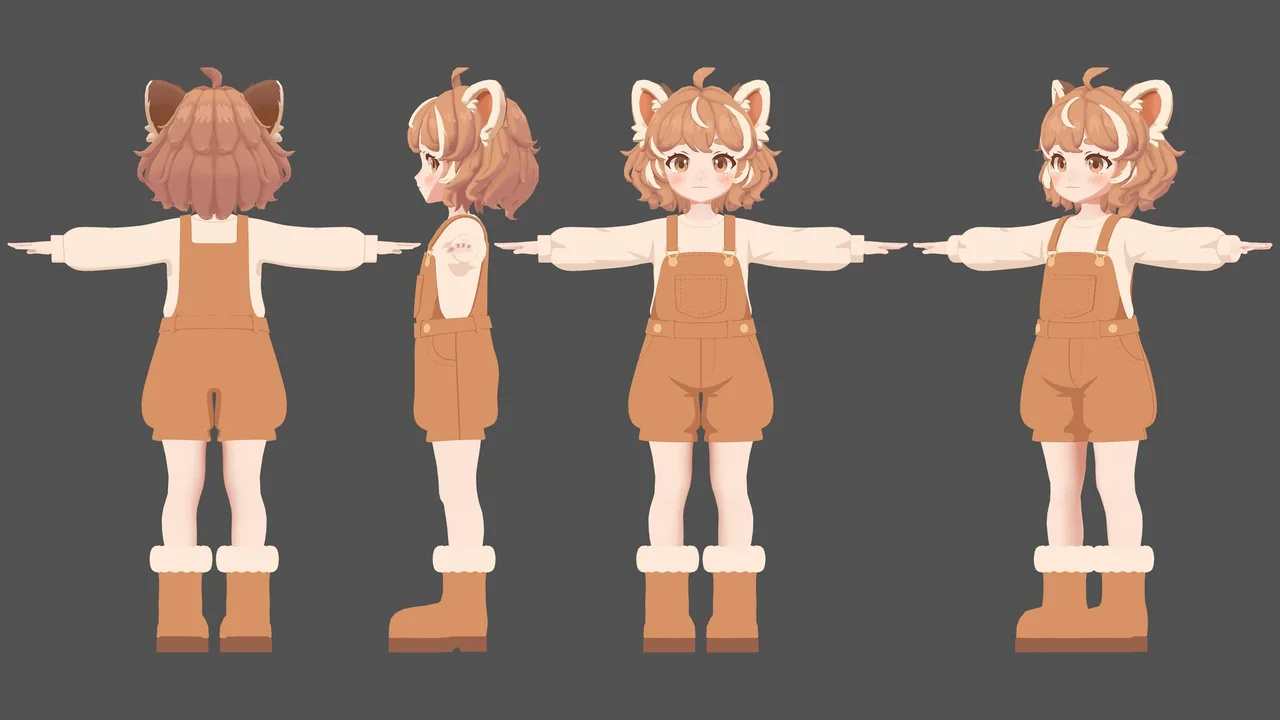
Anime characters
Agree on the eye shape, face proportions, hair masses and expression range before production. When the character starts from concept art, review the three-quarter and profile views beside the original drawing, then check how the eyes, mouth and hair read under the target shader and lighting.
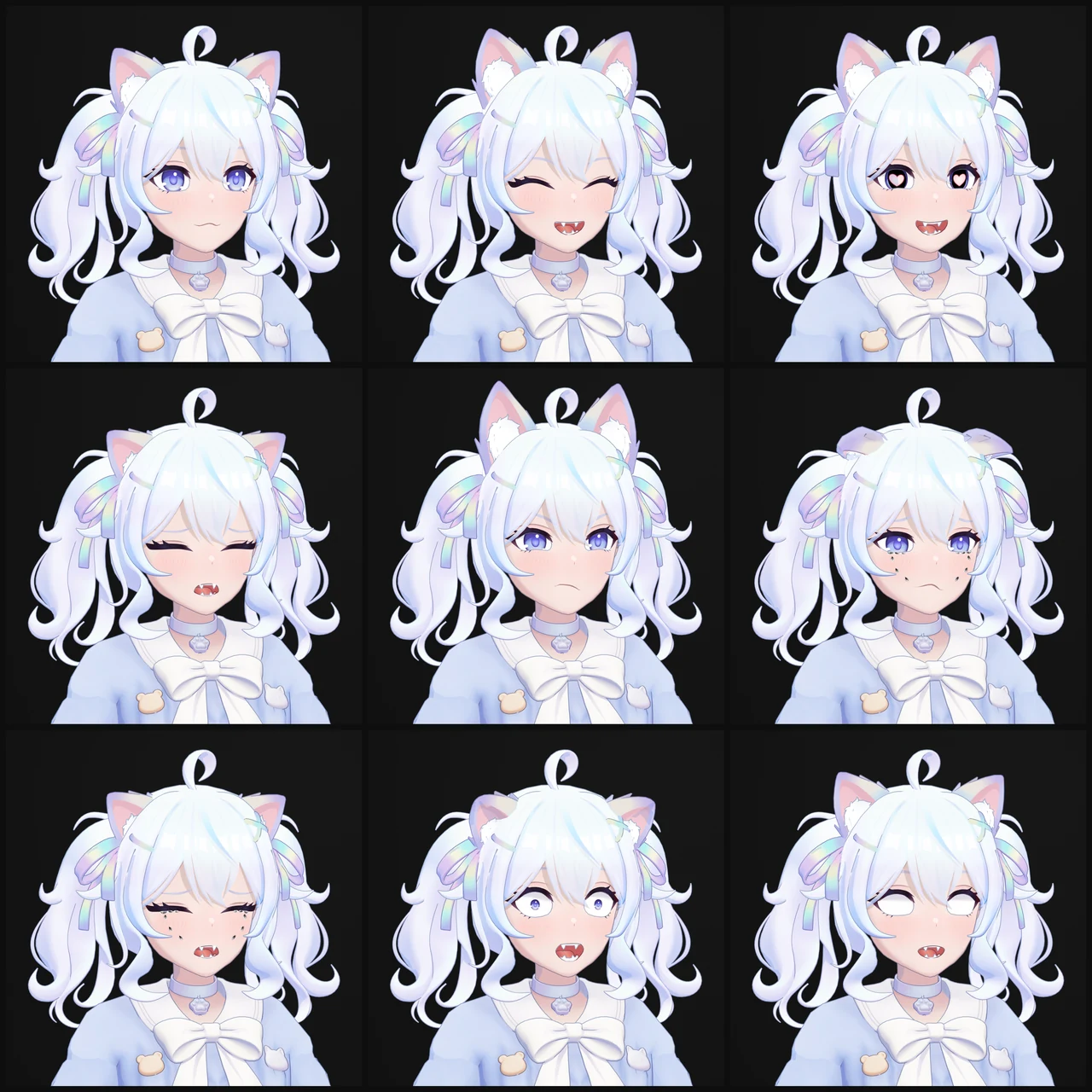
Anime faces live or die on expression. A facial system planned around the eyes and mouth (shape keys, visemes, gesture expressions) protects the style in motion, not just in a still.
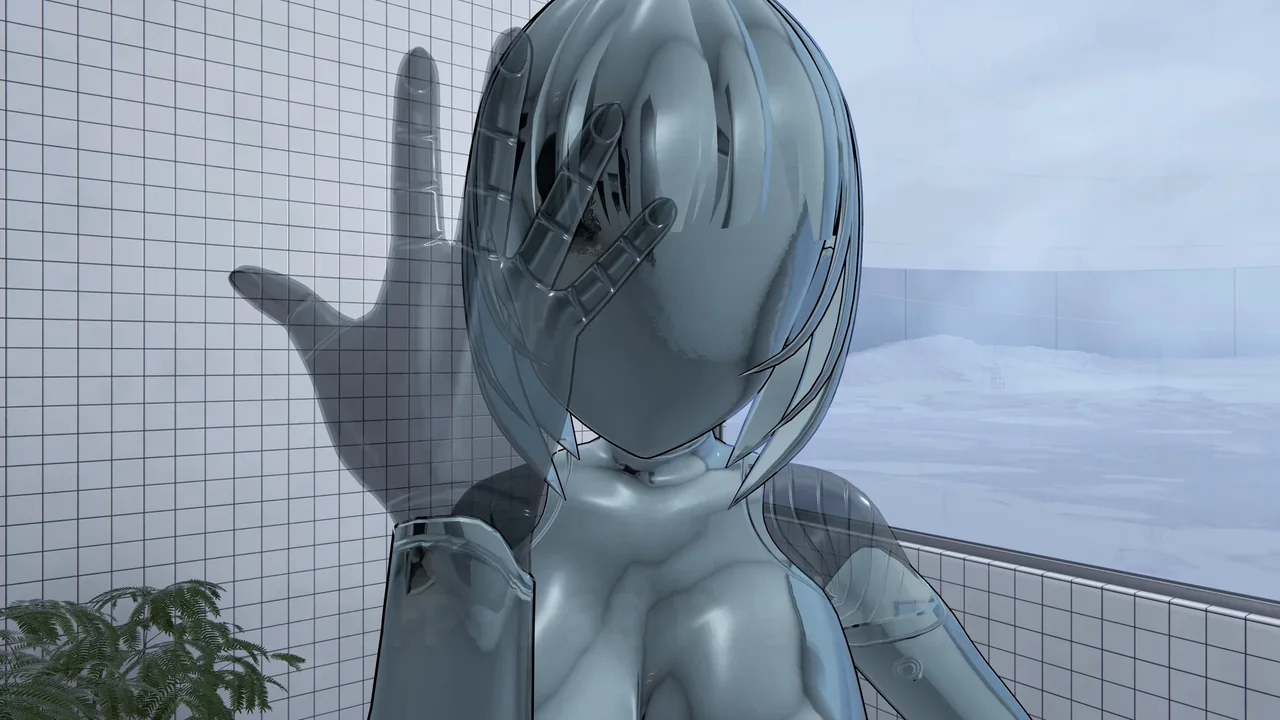
Semi-realistic characters
Use anatomy, clothing construction and believable material response as the baseline. Decide where to exaggerate form or simplify detail so the character stays readable. Define how roughness, highlights and material boundaries should look in the target lighting, then review the close-up and gameplay views together.
Compare styles under the same constraints
Set the platform, camera, character count, texture budgets and rig requirements before comparing estimates. Ask for a representative review pose and a material reference. A shared target gives producers and artists a way to approve the model before surface and rig work move forward.
- Platform and budget: triangle range, texture sets, LODs.
- Camera: gameplay distance and hero shots.
- Rig: body skeleton, facial system, engine.
- Review: which views and poses sign off each stage.
Not sure which direction fits your game? Send us your references and we will propose a review target for the first character.
