 3D character
For game studios
Game character art outsourcing
Bring us a full character or a single stage. We model, texture and rig it to your art direction and deliver it ready for your engine.
- Director
- Vitor Bruno Marques
- Hours
- UTC−3, overlapping the Americas and Europe
- Paperwork
- NDA-ready
Clients
Who we work with
Teams that want a senior character partner for a defined part of production, directed by the founder from the first brief to the last file.
Indie and mid-size game studios
A hero character, a full cast or one production stage, handled by a senior team while yours stays focused on the game. You gain character capacity for exactly as long as the production needs it.
Art outsourcing and production teams
Producers and outsourcing managers who want one reliable character vendor, with a written spec, stage reviews and predictable handoffs.
Brands and agencies
Mascots and brand characters built for real time, ready for games, apps and interactive campaigns. One model can serve every channel, from a game build to a social clip.
Scope
What you can outsource
Choose the part of the character that serves your production best. Every option is scoped in writing, with the same review rhythm and handoff standard.
-
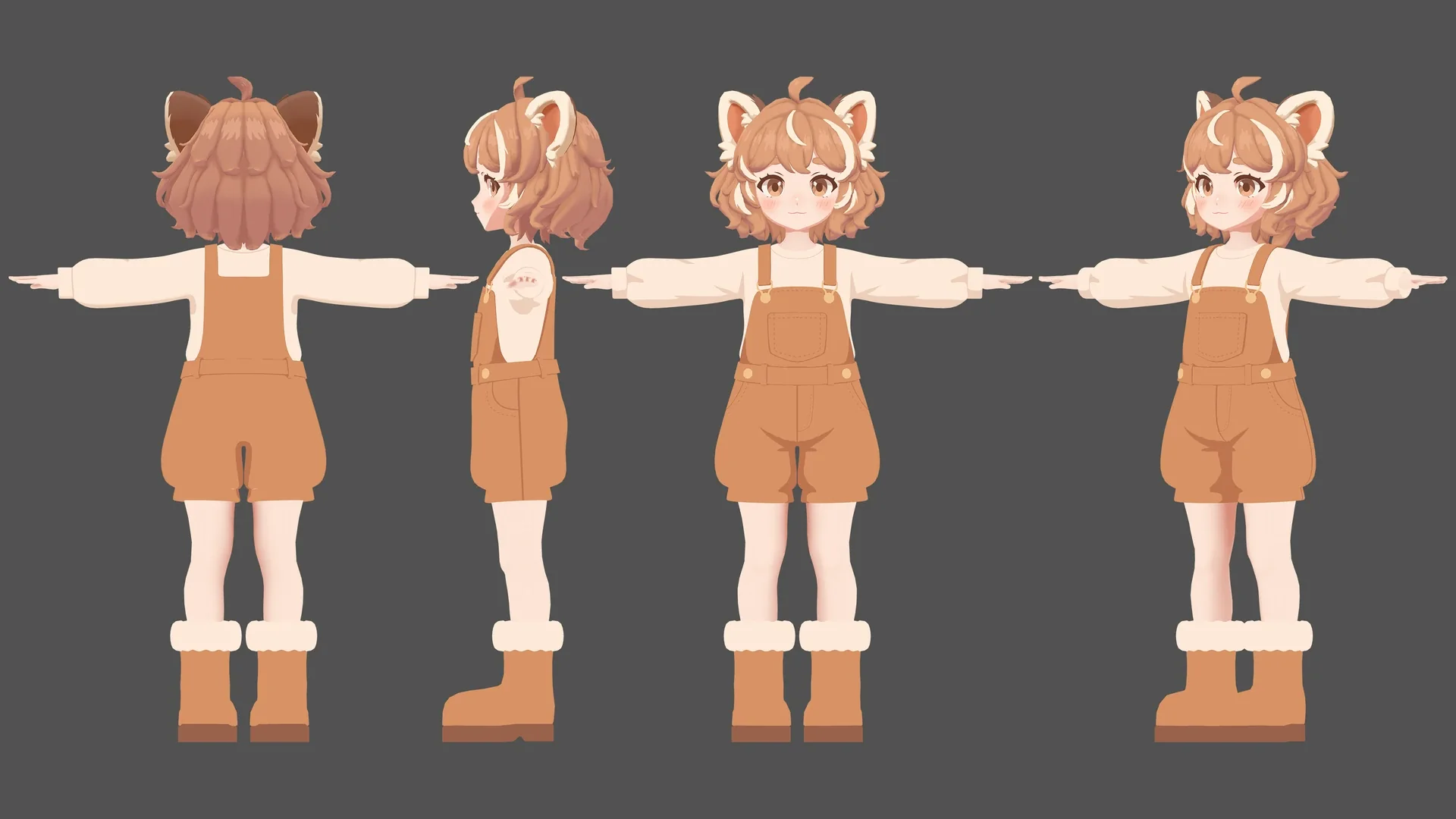
A full character
From concept review to engine setup: model, textures, rig and facial system from one team, reviewed at every stage.
Best for: A new hero character or a full cast.
NumiNumi: 53,496 triangles · 127 bones · PC and mobile builds
-
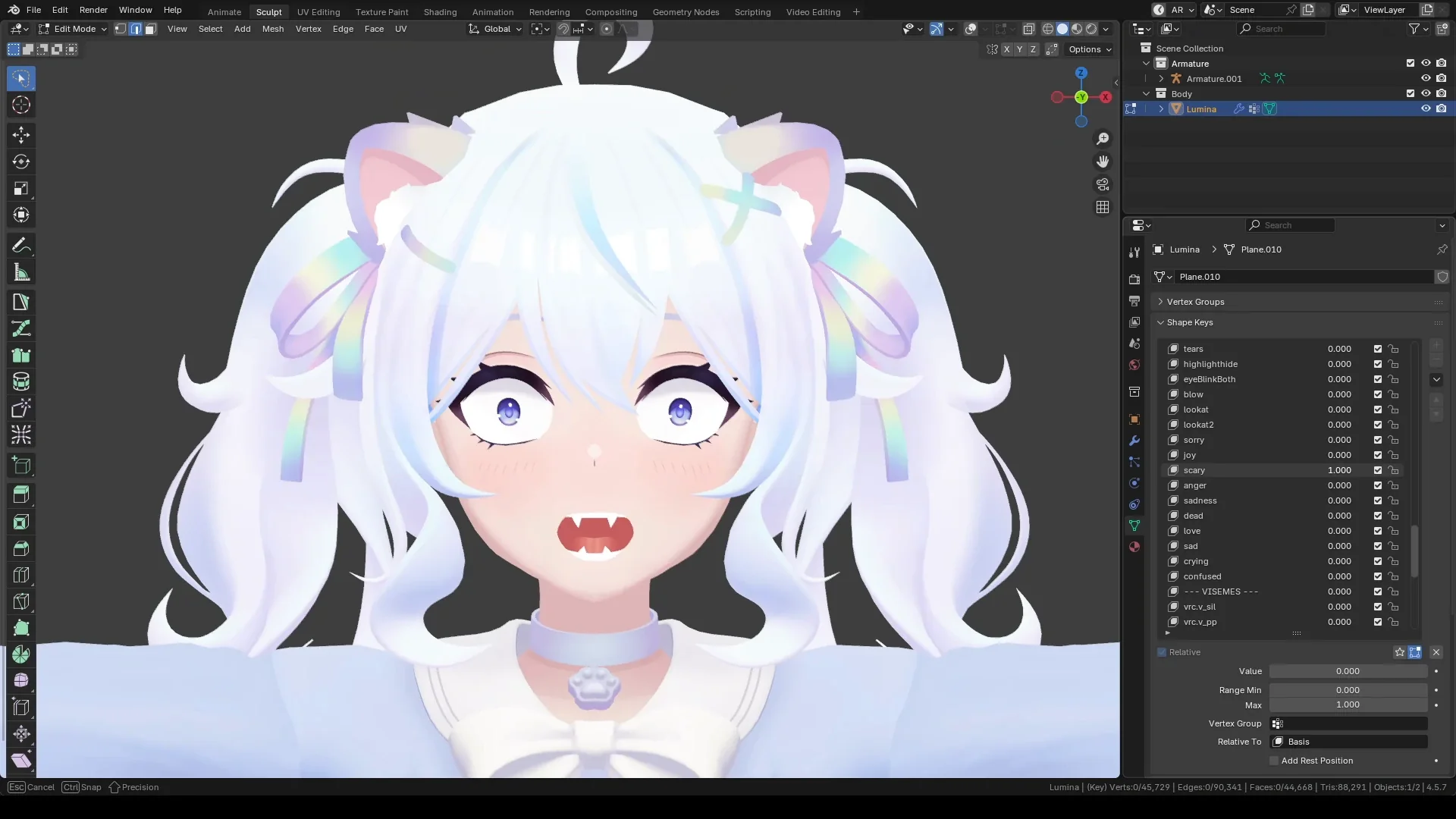
A single stage
Modeling, retopology and UVs, texturing, rigging or the facial system on its own, matched to the files your team already has.
Best for: Adding capacity to one stage of your pipeline.
LueLue: 99 shape keys · ARKit 52 · 15 visemes
-
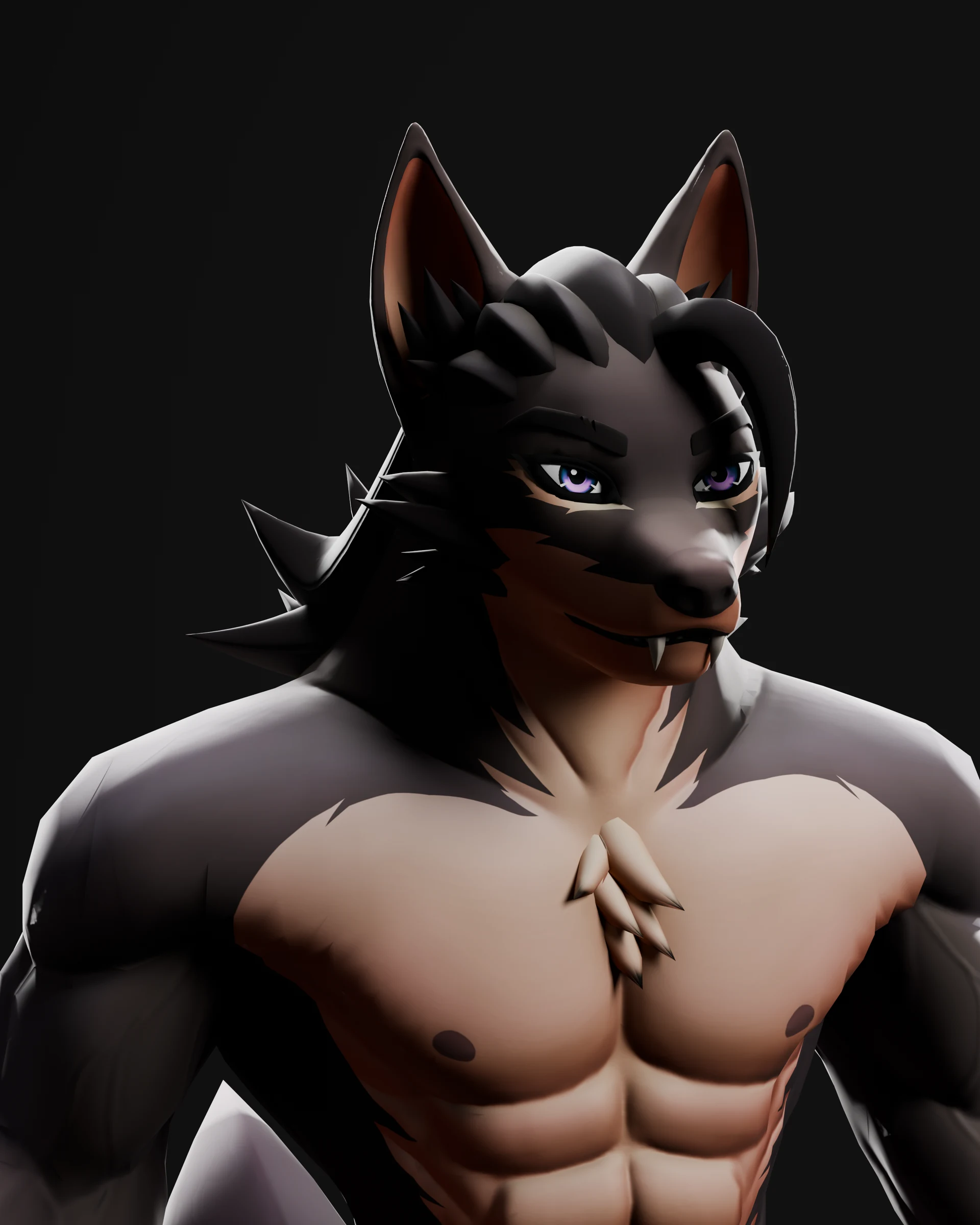
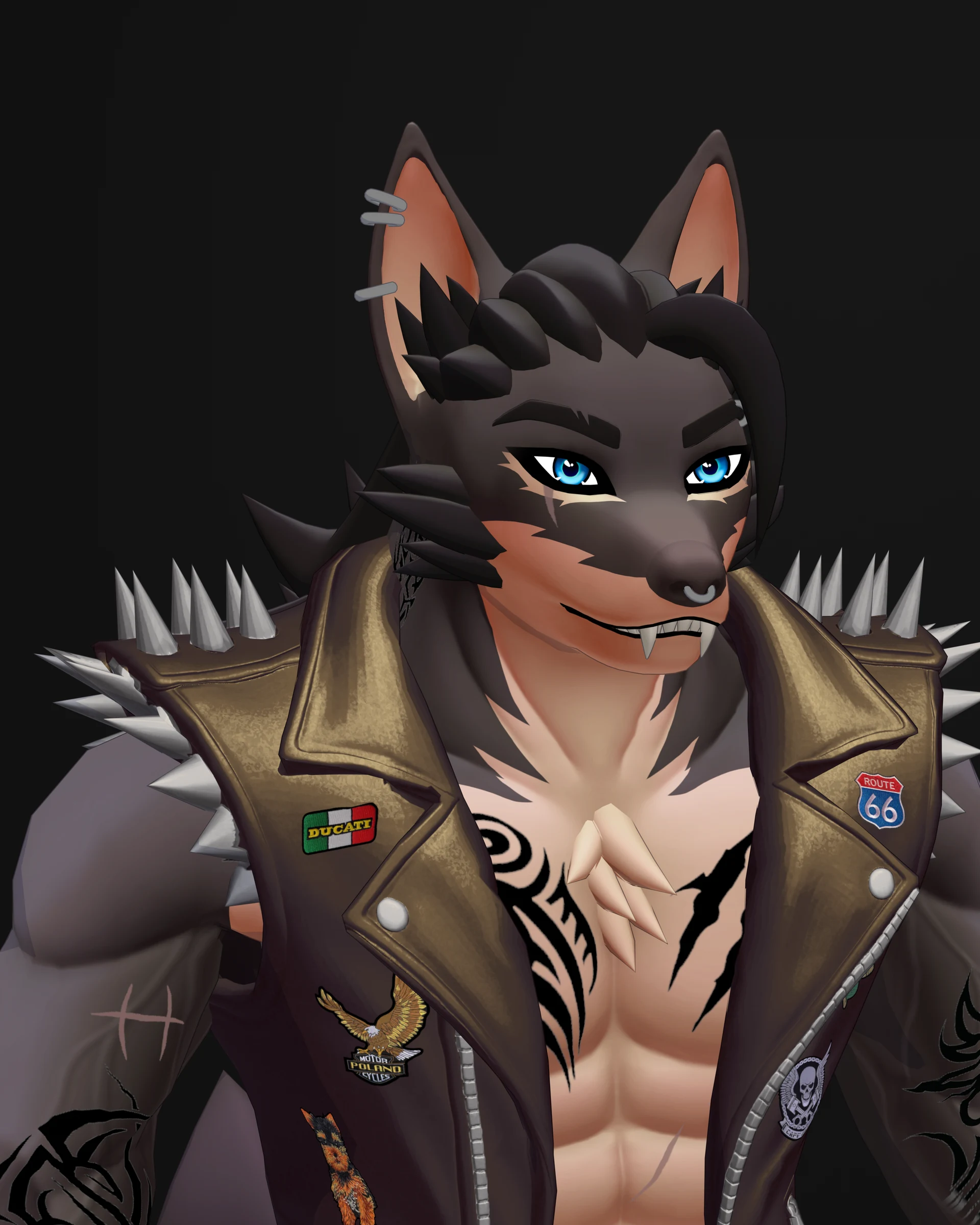
Variants from a base
One base mesh, many characters. Brutus became Rocco with a new silhouette, wardrobe and tattoos, while the proven rig carried over.
Best for: Casts, skins and character families.
Brutus: 104 shape keys · 40,393 triangles · one mesh, one rig
-
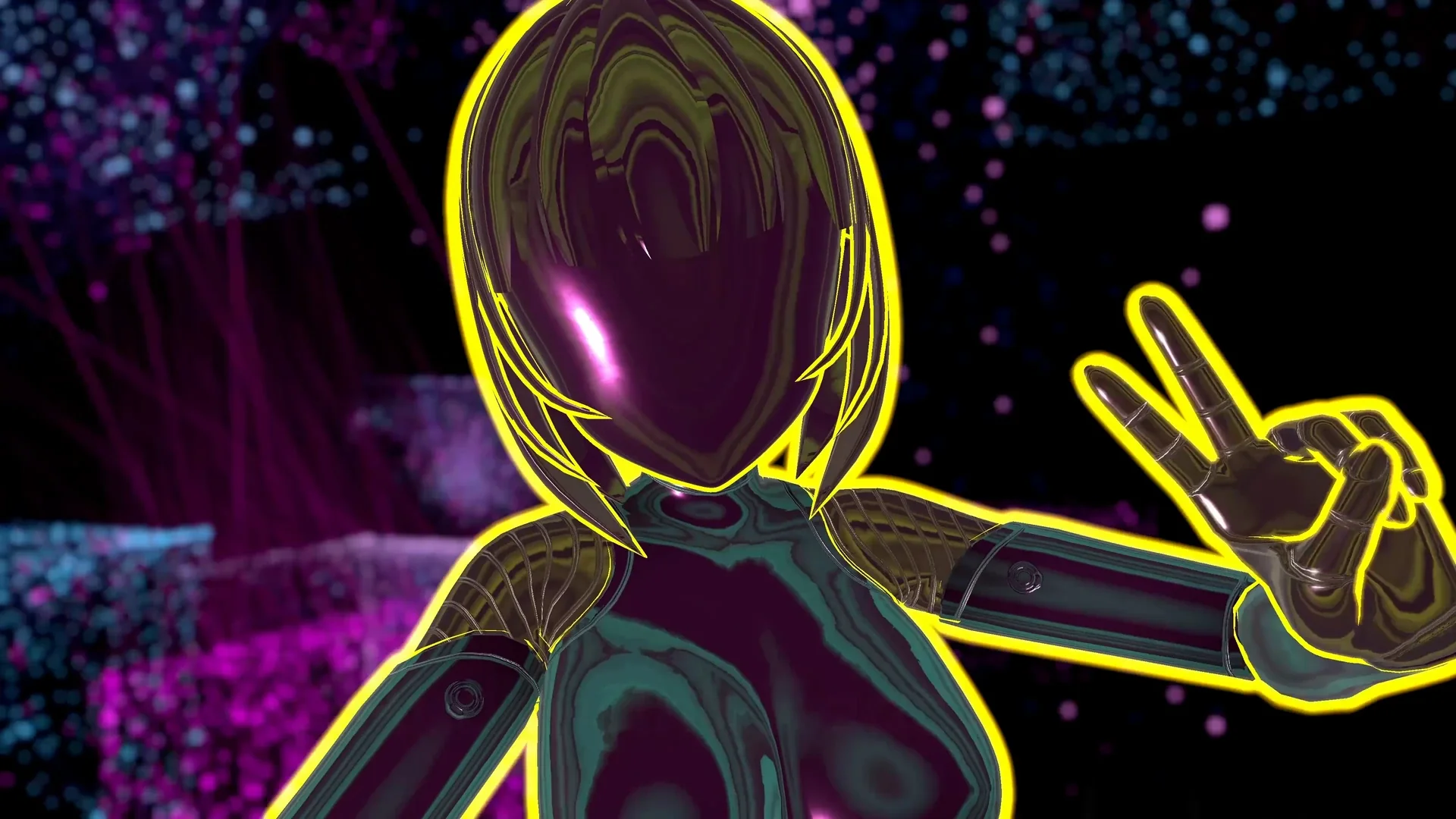
Platform builds
One design, built for each target: PC, mobile and standalone VR, each with its own triangle and material budget.
Best for: Releases on more than one platform.
NUVIA-01: ≈64,000 triangles on PC · ≈15,000 and 1 material slot in VR
Styles
Styles we build
Your art direction leads. We match it, from soft stylized shapes to sharp sci-fi surfaces, and keep one character consistent from blockout to engine.
Guide: 3D character art styles for games-
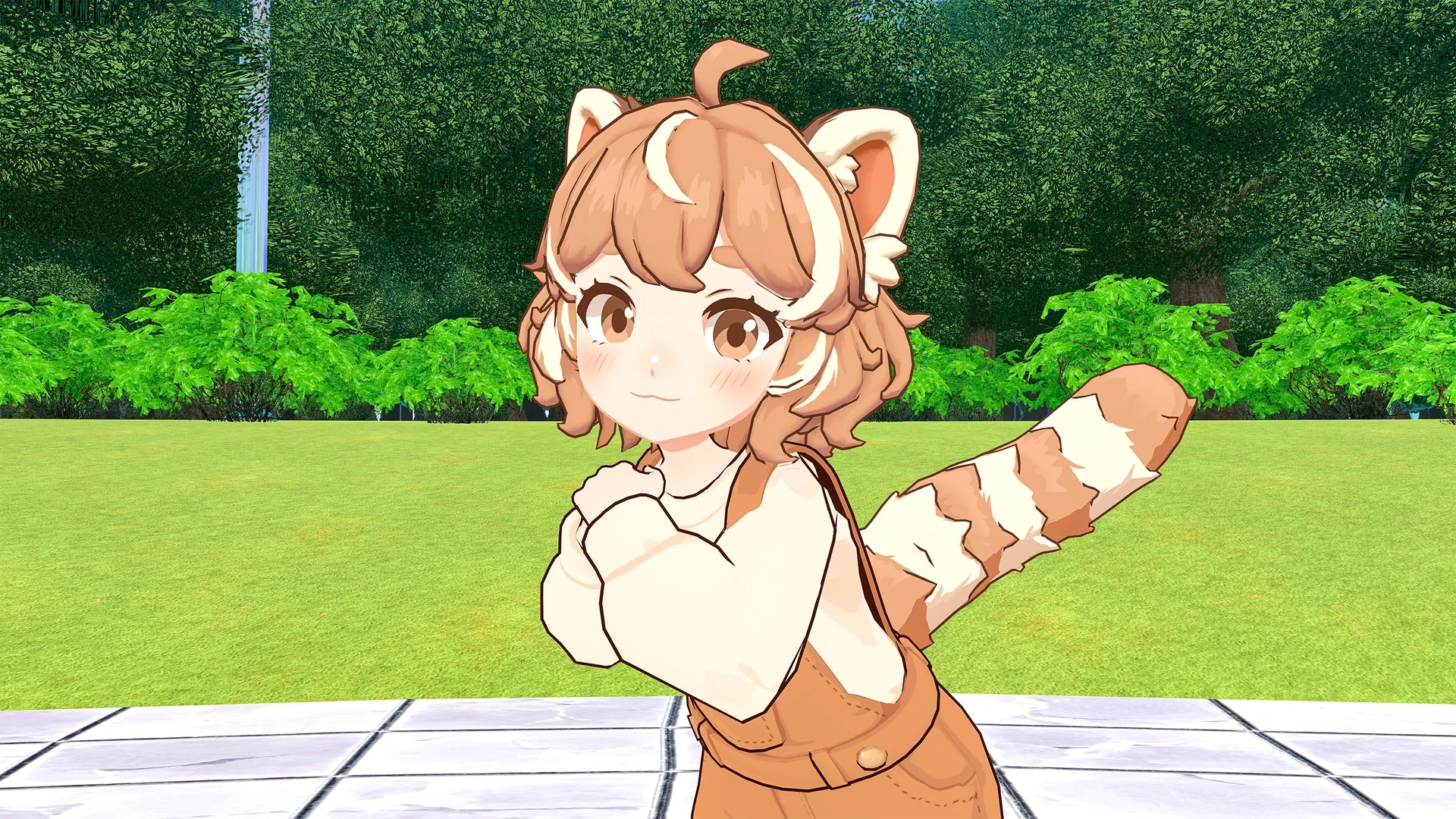
Stylized
Soft, readable shapes that hold their silhouette in every pose and on a small screen. Topology follows the shape language.
Case: NumiNumi -
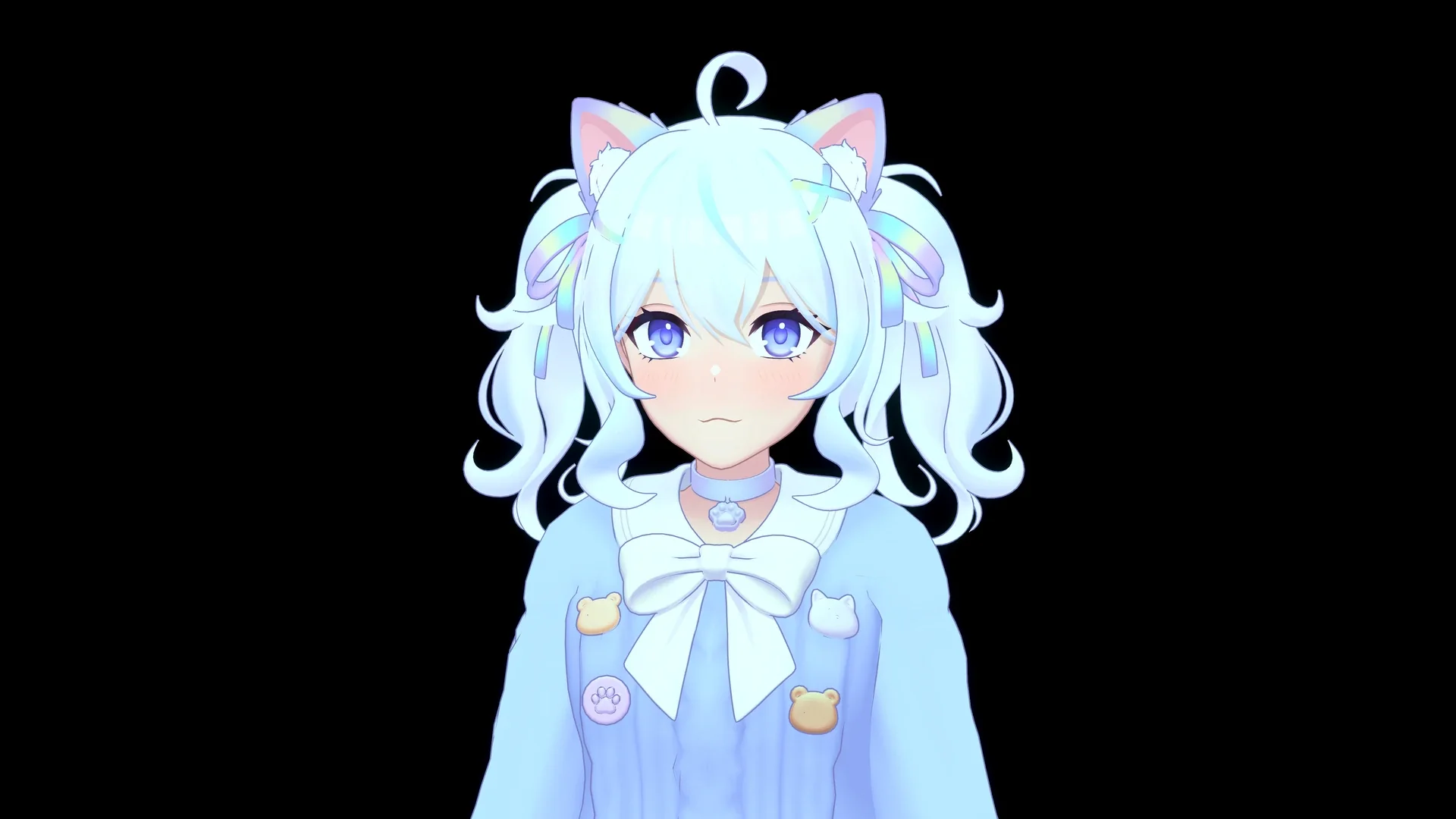
Anime
Large expressive eyes, clean shapes and a face built for close-ups, with expressions planned before surface detail.
Case: LueLue -
Creature
Anatomy, fur masses and a wide facial range for characters beyond the human, built to become many variants.
Case: Brutus -
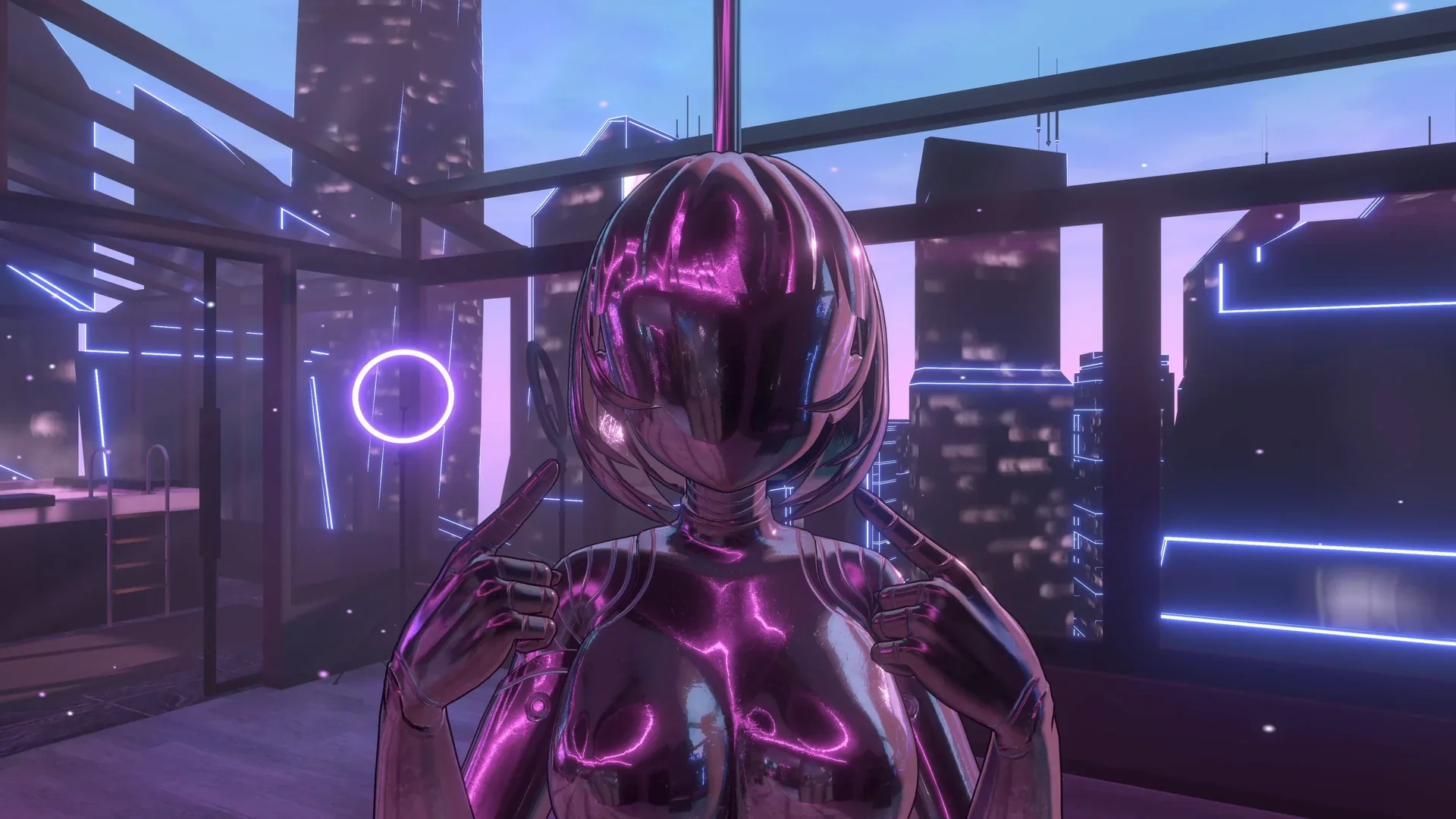
Sci-fi
Panelled forms and material systems where the surface tells the story.
Case: NUVIA-01
Pipeline
Our character pipeline
Ten stages, each with an output you review before the next one starts. Your team sees the character grow, and every decision is closed while it is still cheap to change.
-
Concept review
We read your concept art, style guide and specs, then confirm proportions, platform and deliverables in writing.
-
Blockout
Primary forms and proportions in 3D, checked from the front, side and three-quarter views.
-
Sculpt
Anatomy, folds, hair masses and the secondary shapes that carry your style.
-
Retopology
A clean real-time mesh, with edge loops where the character bends and a triangle budget set per platform.
-
UVs
Layouts planned for even texel density and organized by material slot.
-
Baking
High-poly detail baked into normal and ambient occlusion maps for the real-time mesh.
-
Texturing
Stylized or PBR surfaces for skin, hair, fabric and metal, checked under your target lighting.
-
Rigging
Skeleton, skin weights and secondary chains for hair, tails and accessories, tested across motion poses.
-
Facial system
Shape keys built around the eyes and mouth: expressions, ARKit 52 and visemes.
-
Engine setup
Import, materials and configuration in your engine, plus setup notes for your team.
Handoff
Deliverables and formats
Every file is named in the proposal, so your team knows exactly what lands in the repository.
| Deliverable | What it contains |
|---|---|
| Blender source (.blend) | The working file: mesh, armature, shape keys and materials, ready for your artists to extend. |
| FBX | The engine export, with skeleton, skin weights and shape keys. |
| Unity package | The character set up in Unity with its materials and prefab, ready to place in a scene. |
| Textures | Layered PSD sources, exported PNG maps and the UV layouts. |
| Setup notes | How the character is built, named and configured, so your team can maintain it. |
Builds per platform
| Build | What we plan | From our work |
|---|---|---|
| PC | The full triangle budget, several material slots and the complete facial system. | LueLue: 69,637 triangles · 6 material slots |
| Mobile | A reduced triangle and material budget, with textures planned for mobile memory. | NumiNumi: PC and mobile builds of one design |
| Standalone VR | A tight triangle budget and atlased materials in as few slots as possible. | NUVIA-01: ≈15,000 triangles · 1 material slot |
Each build is optimized to its own budget, agreed in the spec. See the modeling, texturing and rigging pages for the files each stage delivers.
Your brief
What a strong brief includes
The clearer the brief, the more accurate the proposal and the fewer surprises in review. Send what you have: anything still open is named in the proposal and decided with you.
Start the brief- Engine, version and target platforms
- Triangle budget for each build
- Texture sets, resolution and texel density
- Skeleton, bone names and export rules
- Facial scope: expressions, ARKit 52, visemes
- Naming conventions and folder structure
- Deliverables and file formats
- Milestones, review owners and handoff date
- Budget range
- Portfolio-use permissions
Collaboration
Working with your team
A simple rhythm: one contact, clear checkpoints and hours that overlap with yours.
Stage reviews
You approve each stage before the next begins: blockout, sculpt, topology, textures, rig and expressions. Feedback lands early, while changes are quick to make.
One point of contact
Vitor Bruno Marques, founder and art director, runs your project from brief to handoff. One person holds every decision and every answer.
Shared hours
The studio works on Brazil time (UTC−3). The whole working day overlaps with the Americas, and our mornings meet European afternoons.
A written spec
Budgets, skeleton, naming and formats are written down before production, so every review checks the same targets.
Clear review owners
We agree who approves each stage on your side, so feedback arrives in one place and every decision holds.
Paperwork first
An NDA is available before you share any file. Rights to the delivered character transfer to you as set out in the proposal.
Pilot Character
Start with one character
Test the studio on one character or one production stage before you commit to production. Scope, fee and timeline are fixed up front, acceptance criteria are written before kickoff, and the fee is credited against the production that follows.
- Scope
- One character or one stage
- Fee
- One fixed fee
- Credit
- Credited against production
Investment
Investment
Character projects start at US$ 4,000. Every proposal is scoped to your brief, with milestones, review rounds and deliverables in writing.
Every quote follows the same path: you send the spec, we confirm the scope in writing, and the proposal lists each stage, each review and each file with its price and date.
For market ranges by style, stage and platform, read the guide how much does a 3D game character cost. Teams testing a new partner often start with a Pilot Character.
What moves the price
Style and level of detail
A soft stylized character needs fewer sculpt and texture hours than a detailed semi-realistic one.
Stages in scope
A single stage is a fraction of the full pipeline.
Facial system depth
A set of expressions, the full ARKit 52 set, visemes, or all three.
Hair, clothing and accessories
Separate wardrobe pieces and long hair add modeling, texturing and rigging time.
Platform builds
Each extra build, PC, mobile or standalone VR, is optimized on its own.
Variants
A variant built on an existing base costs less than a new character.
Dates
Fixed or early dates are planned into the schedule and reflected in the proposal.
Trust
What you can count on
The terms producers and legal teams ask about first, stated up front.
- NDA-readyWe sign your NDA before you share concept art, builds or schedules.
- IP transferRights to the delivered character transfer to you as set out in the proposal.
- Named directorVitor Bruno Marques, founder and art director, directs every project and answers you directly.
- UTC−3Brazil hours: a shared working day with the Americas and morning overlap with Europe.
FAQ
Questions from studios
Can we order a single stage?
Which styles do you work in?
Which engines and formats do you deliver?
How do reviews work?
Do you sign NDAs?
How do we start?

Start a project
Tell us about your character
Share the style, the platform and the scope. Vitor reviews every brief personally and replies with the next step.